
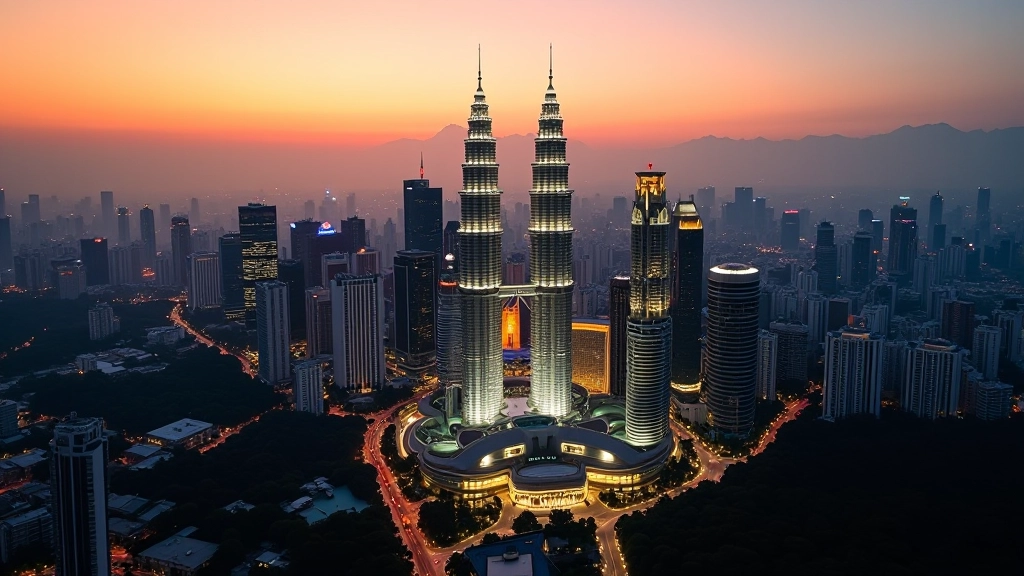




Understanding Malaysia’s Tourism Economy
Malaysia’s tourism sector has become a significant economic driver. The nation’s strategic location, cultural diversity, and world-class infrastructure make it a compelling destination for travelers worldwide. Tourist arrivals have shown consistent growth, with visitors drawn to Malaysia’s unique blend of modern cities, tropical beaches, and cultural heritage.
Revenue from tourism extends beyond direct spending. It creates multiplier effects throughout the economy — hotels require construction and maintenance, restaurants purchase local ingredients, and transportation services expand to meet demand. These connections mean tourism dollars circulate through many sectors, supporting jobs and business growth.
The hospitality industry employs hundreds of thousands across hotels, resorts, restaurants, and tour operations. These positions range from entry-level roles to management positions, offering career progression for workers with varied skill levels. Wage improvements in the sector reflect growing competition for qualified staff and increasing service standards.
Government marketing campaigns like Visit Malaysia have played a crucial role in destination awareness. These initiatives target key international markets, promote Malaysia’s attractions, and work to build the country’s brand globally. The return on marketing investment is measured through visitor volume increases and sustained growth in tourism spending.