

Visitor Arrivals to Malaysia: Trends and Statistics
Analysis of international and domestic visitor numbers, growth patterns, and arrival trends across Malaysia’s tourism regions.
Read MoreUnderstanding how tourism dollars flow through Malaysia’s economy, from visitor spending to job creation across hospitality and related sectors

Tourism isn’t just about visitors enjoying beaches and cultural sites. It’s a major economic driver that generates foreign exchange, creates employment, and strengthens local communities. Malaysia’s tourism sector contributes significantly to national GDP, and understanding these numbers reveals the true scale of the industry’s impact.
The sector employs hundreds of thousands of people — from hotel staff and tour guides to restaurant workers and airport personnel. Every tourist dollar that enters Malaysia circulates through the economy multiple times, benefiting suppliers, local businesses, and government services. Yet many people don’t realize just how substantial this contribution is.

Tourism revenue comes from multiple sources. International visitors spend money on accommodation, food, entertainment, shopping, and transportation. Domestic tourists contribute additional spending. These funds flow into hotels, restaurants, tour operators, retail businesses, and government through taxes and fees.
The foreign exchange earnings are particularly important. When international tourists spend in Malaysia, they bring foreign currency into the country. This strengthens the ringgit and provides the government with reserves for international transactions. Over the past decade, tourism has consistently ranked among Malaysia’s top sources of foreign exchange, competing with sectors like manufacturing and petroleum.


Tourism’s contribution to Malaysia’s GDP has grown steadily. The sector now accounts for a meaningful percentage of economic output, though the exact figure varies yearly based on visitor arrivals and spending patterns. Before 2020, tourism contributed around 4% of GDP. While the pandemic disrupted these figures temporarily, recovery efforts have restored growth trajectories.
What makes this figure impressive is the sector’s efficiency. Tourism doesn’t require massive capital investments like manufacturing or infrastructure projects. A hotel, restaurant, or tour operator can generate returns relatively quickly. This makes tourism an attractive economic diversification strategy for regions beyond major urban centers.
The Visit Malaysia 2020 campaign demonstrated how strategic marketing can drive visitor numbers. Though pandemic timing limited results, it showed the potential of coordinated national tourism promotion. Similar campaigns continue today, focusing on experiential tourism and cultural heritage.
Tourism generates direct employment in hotels, restaurants, travel agencies, and attractions. It’s estimated that hundreds of thousands of Malaysians work directly in tourism-related roles. But the employment impact extends far beyond these obvious positions.
Indirect employment includes jobs in tourism supply chains — food suppliers, linen companies, construction workers maintaining facilities, marketing professionals, and government workers managing tourism regulation. When you count indirect and induced employment (jobs created by spending of tourism workers), the total employment impact becomes substantial.
Tourism jobs span diverse skill levels. You’ll find entry-level positions in housekeeping and food service, mid-level management roles in hotel operations, and specialized positions in tourism planning and development. This diversity means tourism can absorb workers with varying education levels and experience, making it valuable for inclusive economic growth.

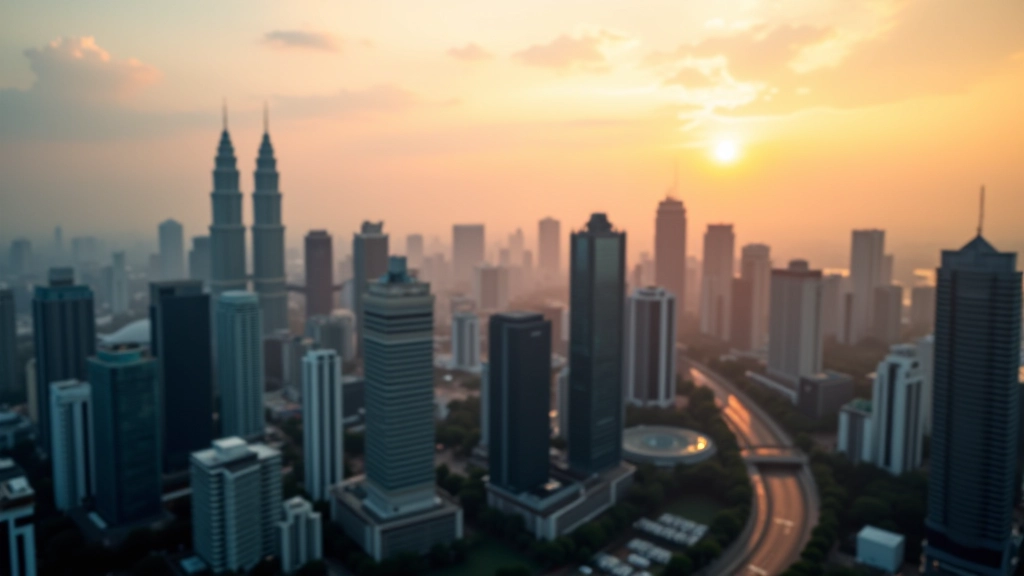
Several factors drive Malaysia’s tourism growth. Geographic location between major Asian markets makes it accessible. The country offers diverse attractions — beaches in Sabah and Sarawak, highlands around Kuala Lumpur, cultural sites in Malacca, and shopping destinations in major cities. This variety appeals to different tourist segments.
Infrastructure improvements have been crucial. Better airports, highways, and accommodation facilities make travel easier and more comfortable. The government’s focus on tourism development has resulted in new resorts, theme parks, and cultural attractions. Technology has also played a role — online booking platforms make Malaysia more accessible to international visitors.
Regional tourism recovery has been strong. Visitors from Singapore, Indonesia, Thailand, and China represent substantial portions of arrivals. Domestic tourism — Malaysians traveling within the country — provides additional revenue and helps distribute economic benefits across regions.
Tourism growth comes with challenges. Environmental pressures from increased visitor numbers require careful management. Popular destinations face strain on resources and infrastructure. Over-tourism in some areas can degrade experiences for both visitors and residents.
Sustainability matters. Malaysia’s tourism future depends on preserving natural attractions, managing cultural impacts, and ensuring local communities benefit from tourism revenue. This requires balancing growth with conservation, investing in responsible tourism practices, and supporting community-based tourism initiatives.
The sector also depends on external factors — global economic conditions, regional stability, health crises, and currency exchange rates all affect visitor numbers and spending. This volatility means tourism-dependent regions must develop diversified economies and maintain resilience strategies.
Malaysia’s tourism sector has demonstrated resilience and growth potential. Future strategies likely focus on quality over quantity — attracting higher-spending visitors and encouraging longer stays rather than just maximizing numbers. Niche tourism segments like wellness tourism, adventure tourism, and cultural tourism offer growth opportunities.
Technology integration will reshape tourism. Virtual reality previews, AI-powered personalization, and digital payment systems improve visitor experiences and operational efficiency. Digital tourism platforms connect travelers directly with local businesses, potentially increasing community benefits.
Regional cooperation matters. Malaysia’s tourism competes with Thailand, Indonesia, Vietnam, and Singapore. Collaborative marketing, coordinated infrastructure development, and shared sustainability standards strengthen the entire region’s appeal. This collaborative approach benefits all participating countries while maintaining Malaysia’s unique positioning as a diverse, accessible destination.
Tourism generates billions in foreign exchange and contributes meaningfully to national GDP through accommodation, dining, entertainment, and retail spending.
The sector directly employs hundreds of thousands, with indirect employment reaching even higher when supply chain and service jobs are included.
Long-term tourism success requires balancing growth with environmental protection, community benefits, and infrastructure management.
As a diverse, accessible destination, Malaysia’s tourism sector continues attracting regional and international visitors, supporting economic growth across multiple regions.
Understanding tourism’s economic contribution helps policymakers, businesses, and communities make informed decisions about development and investment priorities.


This article provides informational content about Malaysia’s tourism sector, economic contributions, and industry trends. The data and analysis presented represent publicly available information and general industry understanding. Tourism statistics vary by source and methodology. For specific business decisions, investment analysis, or policy recommendations, we encourage consultation with official government sources, tourism boards, economic research institutions, and qualified professionals. This content is educational in nature and shouldn’t replace professional economic or business advice tailored to your specific circumstances.